Supporting the local community
Empowering change through people
The community at the heart of Ja-Ca-Mbé
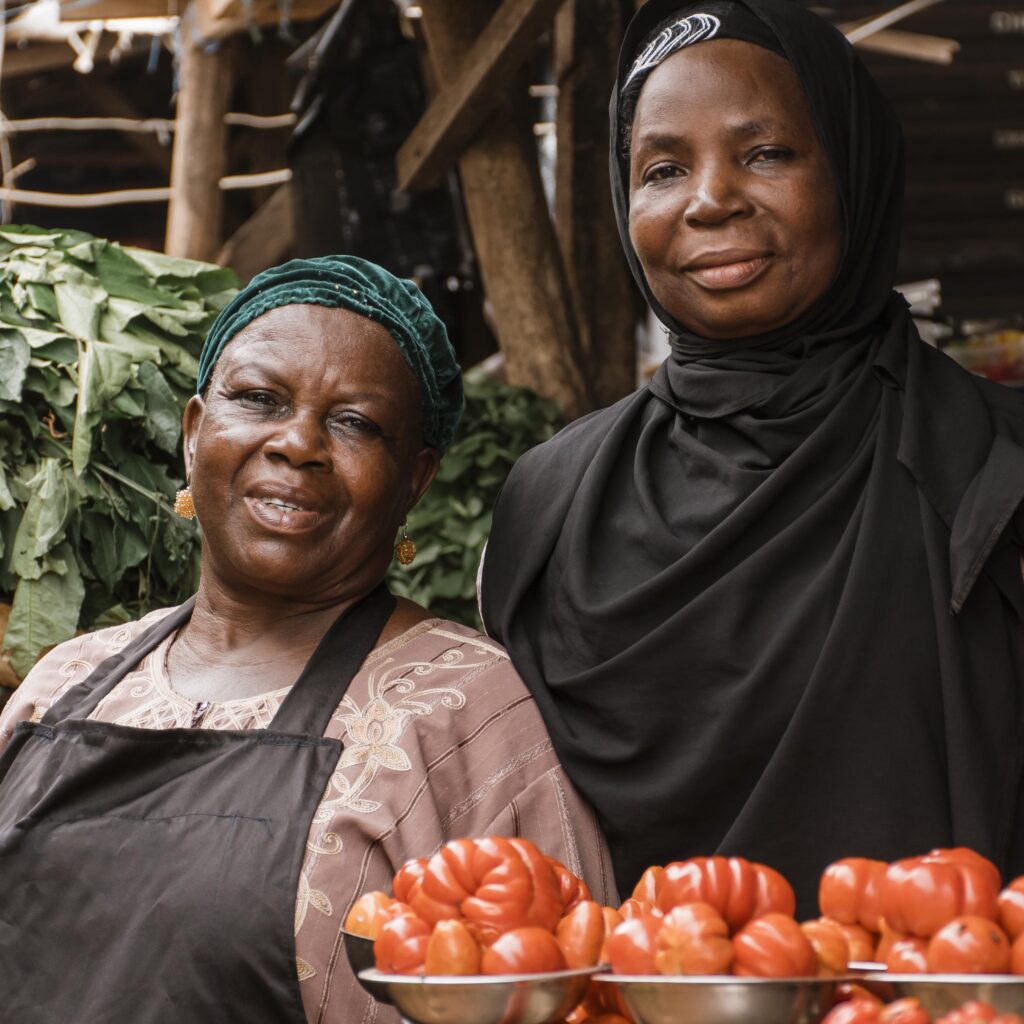
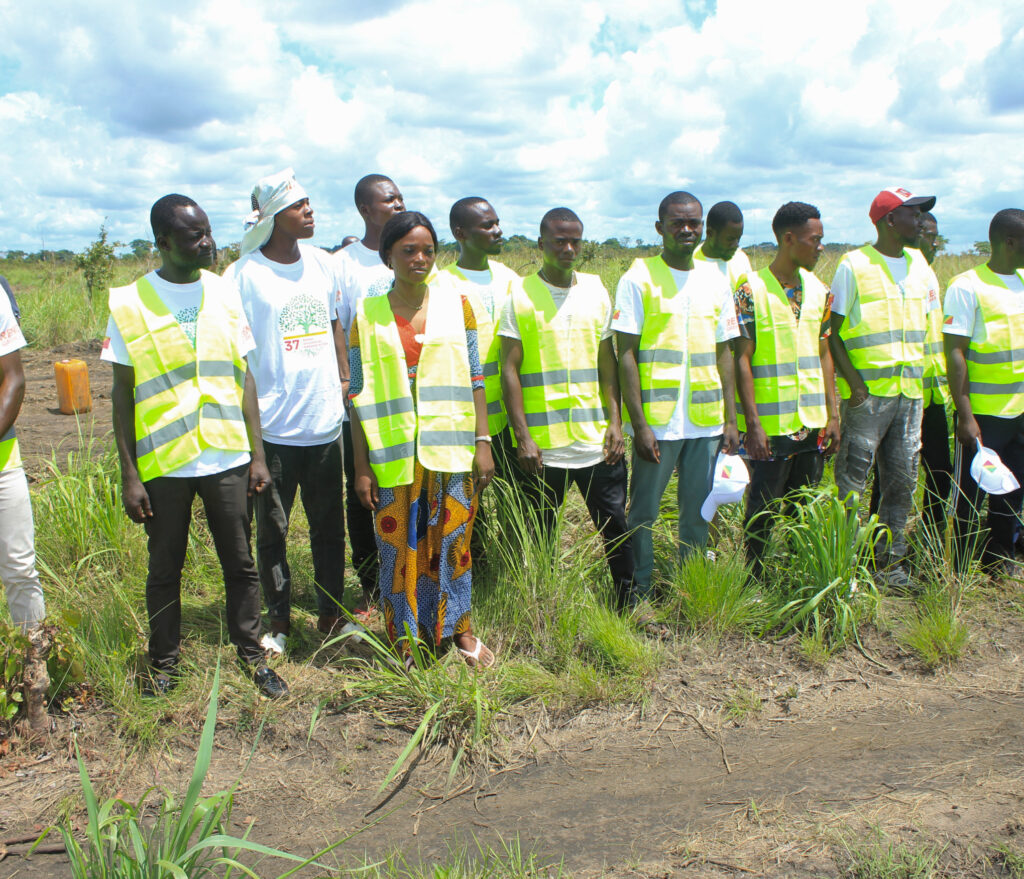
At the heart of this project is the people of the local community. We strive to cultivate strong relationships with the members of the village to involve them in every step of the project. Our goal is to empower the local people of Mbé, to help foster initiatives which will enable the community grow and thrive.
The community at the heart of Ja-Ca-Mbé
At the heart of this project is the people of the local community. We strive to cultivate strong relationships with the members of the village to involve them in every step of the project. Our goal is to empower the local people of Mbé, to help foster initiatives which will enable the community to grow and thrive.
Our goals in helping to support the local community
Empowering local farmers
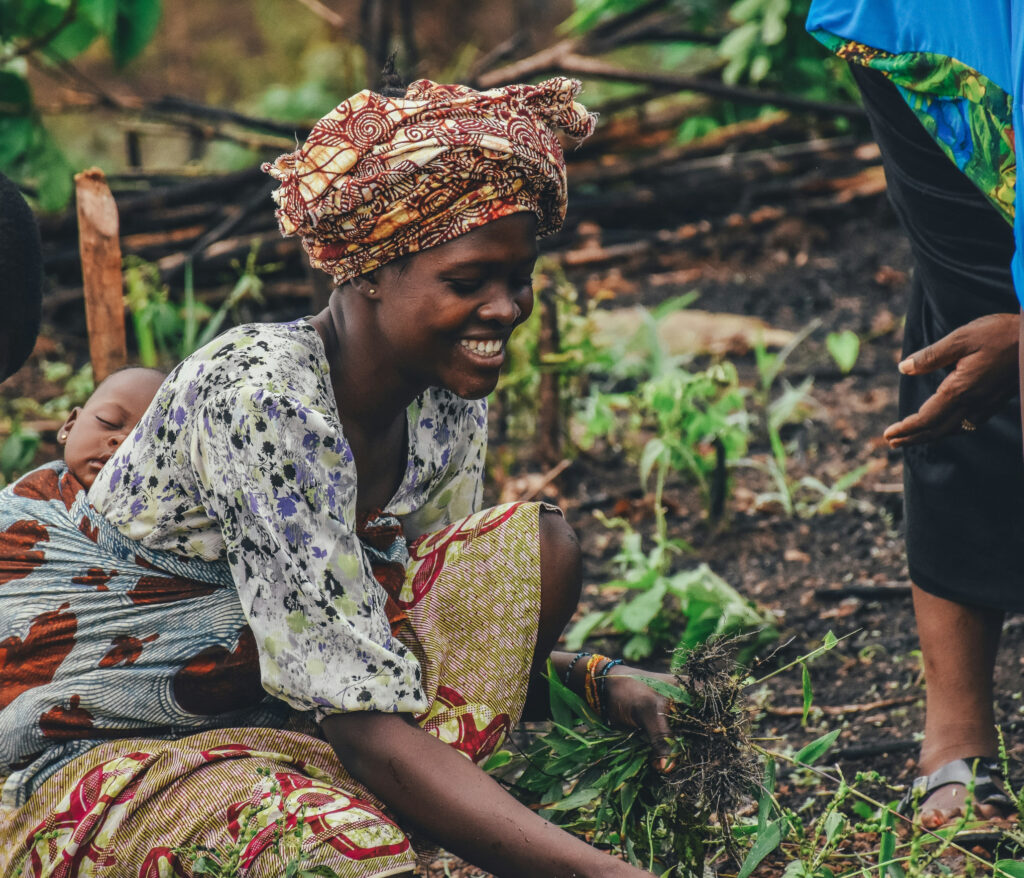
Supporting the local communities is an incredibly crucial element of this project and we are working with farmers to help them improve their cultivation practices. We aim to help farmers to develop new agroforestry systems together with other supporting activities such as mushroom production, beekeeping, and wood energy plantations that will improve current cultivation techniques.
Employment
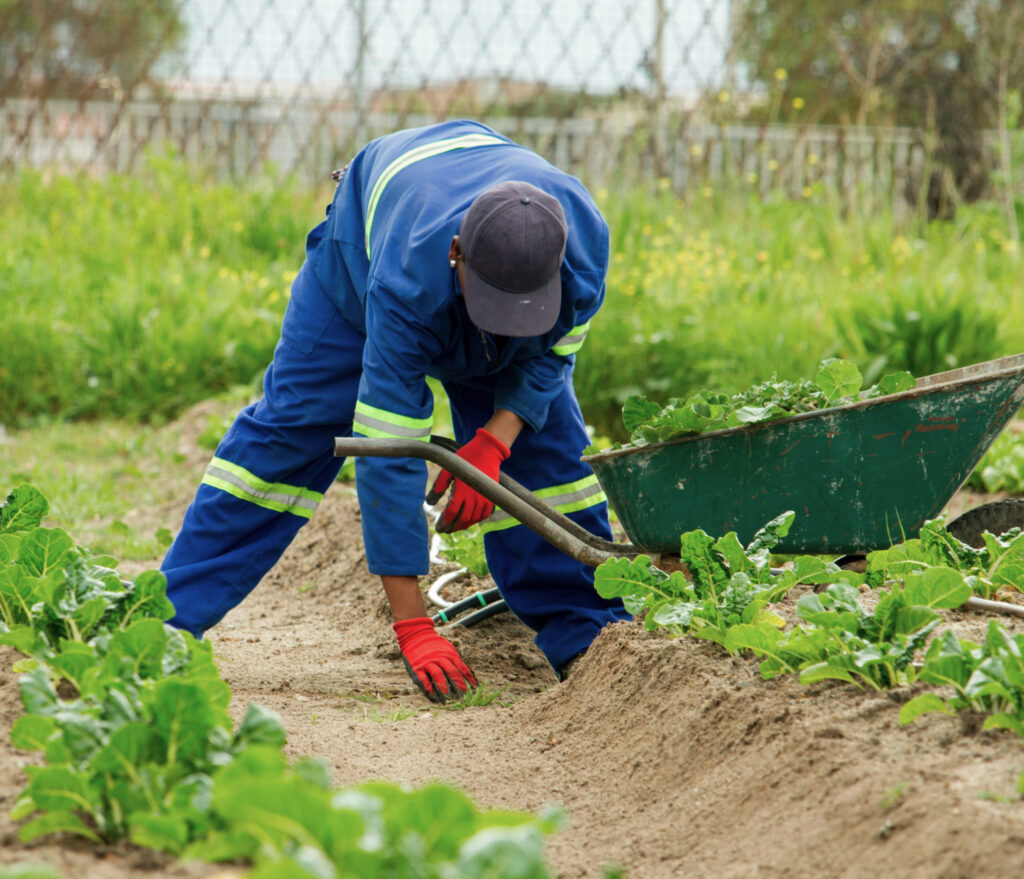
Through the project, we hire local community members to assist and support various activities, ranging from farming the land to managing the nurseries where the planted crops are growing.
Economic development
By improving the cultivation practices of local farming this in term will provide new sources of income for the communities, i.e., through the production of mushrooms, honey and other food sources.
Social development
We are actively working to improve the infrastructure of the local systems in an effort to aid in the social development of the community.
Empowering local farmers
Supporting the local communities is an incredibly crucial element of this project and we are working with farmers to help them improve their cultivation practices. We aim to help farmers develop new agroforestry systems together with other supporting activities such as mushroom production, beekeeping, and wood energy plantations that will improve current cultivation techniques.
Employment
Through the project, we hire local community members to assist and support various activities, ranging from farming the land to managing the nurseries where the planted crops are growing.
Economic development
By improving the cultivation practices of local farming this in turn will provide new sources of income for the communities, i.e., through the production of mushrooms, honey and other food sources.
Social development
We are actively working to improve the infrastructure of the local systems in an effort to aid in the social development of the community.
OUR COMMITMENT
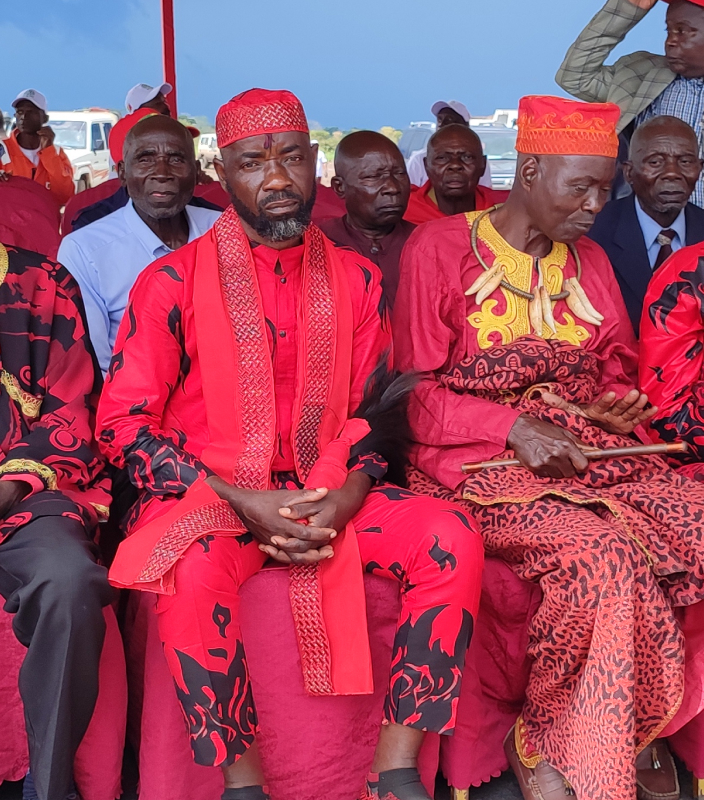
We are dedicated to establishing a close collaboration between our team and the local communities
The success of the Ja.Ca.Mbé A/R Project is dependent on the involvement, collaboration and participation of the local communities.
Social Engagement
SOCIAL ENGAGEMENT
The success of Ja.Ca.Mbé relies on local community involvement, collaboration, and participation. Social engagement entails active participation in planning, implementing, and monitoring the project. This commitment is demonstrated through FPIC (Free, Prior, and Informed Consent), acknowledging indigenous peoples’ rights to self-determination, economic, social, and cultural development, as well as individual human rights, as recognized by international law.
Stakeholder Meetings
STAKEHOLDER MEETINGS
As part of our commitment to bettering the local community, we have a dedicated community engagement team that seeks to actively involve local village members in all aspects of the project.
Social Impact
SOCIAL IMPACT
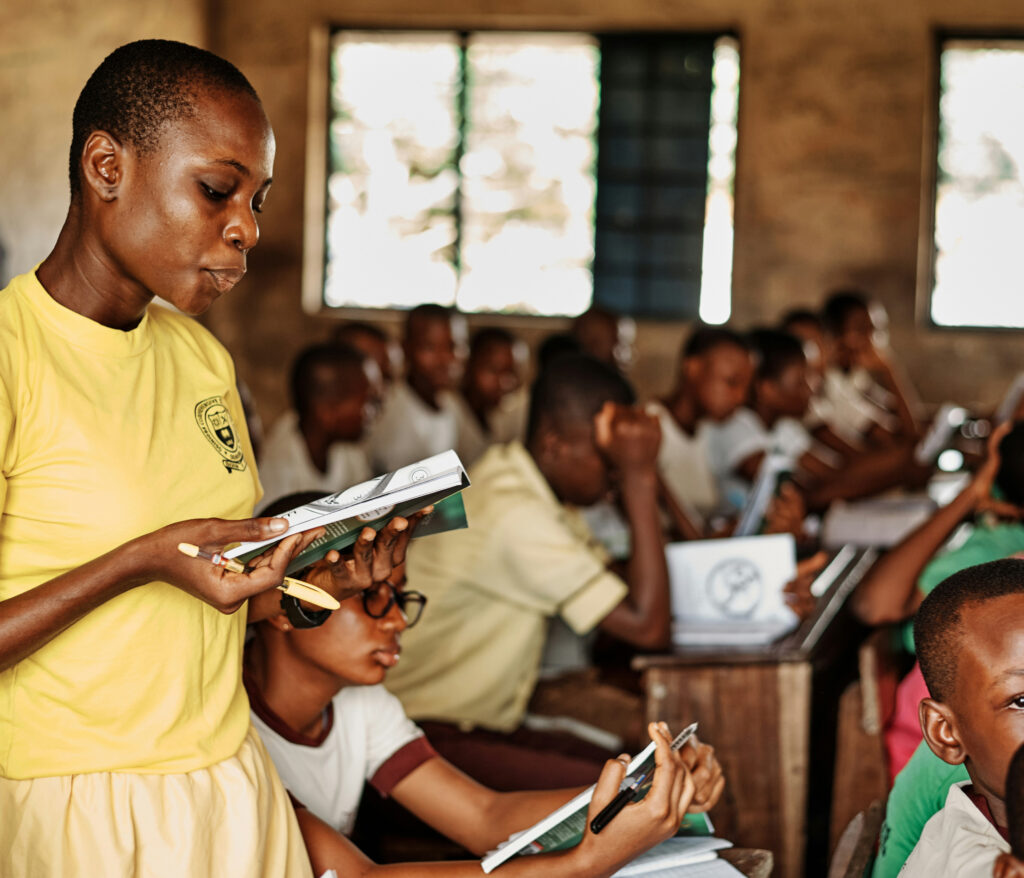
Within this initiative, we are dedicated to enhancing the well-being and prosperity of these communities through innovative support measures across vital sectors such as health, education, and infrastructure.
Our commitment entails revitalising infrastructure in villages situated within the project area. This involves collaboration with local schools, healthcare facilities, and initiatives to improve access to electricity and clean water.
Social Engagement
SOCIAL ENGAGEMENT
The success of Ja.Ca.Mbé relies on local community involvement, collaboration, and participation. Social engagement entails active participation in planning, implementing, and monitoring the project. This commitment is demonstrated through FPIC (Free, Prior, and Informed Consent), acknowledging indigenous peoples’ rights to self-determination, economic, social, and cultural development, as well as individual human rights, as recognized by international law.
Stakeholder Meetings
STAKEOLDER MEETINGS
As part of our commitment to bettering the local community, we have a dedicated community engagement team that seeks to actively involve local village members in all aspects of the project.
Social Impact
SOCIAL IMPACT
Within this initiative, we are dedicated to enhancing the well-being and prosperity of these communities through innovative support measures across vital sectors such as health, education, and infrastructure.
Our commitment entails revitalising infrastructure in villages situated within the project area. This involves collaboration with local schools, healthcare facilities, and initiatives to improve access to electricity and clean water.
Social Engagement
TAG/TITLE
Lorem ipsum dolor sit amet consectetur. Non tincidunt.
Involvement consists in the planning, implementation and monitoring of the project which will inevitably have a significant impact on their environment, their economy and their society.
The social commitment of this project passes through FPIC (Free, Preventive and Informed Consent) which is a right of indigenous peoples, recognised by international law, to self-determination; the right to freely pursue economic, social and cultural development, and individual human rights. This type of commitment turns out to be even more fundamental if we note that throughout Africa and the world, there is a growing interest in community carbon projects.
Community Engagement
TAG/TITLE
Lorem ipsum dolor sit amet consectetur. Non tincidunt.
In an effort to better engage with the local village, the team regularly holds local meetings to foster a deeper understanding of the project among the community. Through these sessions, we work to provide regular updates on the project and to foster a deep understanding of the role this project has in mitigating the effects of climate change.
These meetings serve as an opportunity to gain a deeper understanding of the community’s perspective on these activities, and to allow us to engage in bilateral conversation.
Social Engagement
Lorem ipsum dolor sit amet consectetur. Non tincidunt.
Involvement consists in the planning, implementation and monitoring of the project which will inevitably have a significant impact on their environment, their economy and their society.
The social commitment of this project passes through FPIC (Free, Preventive and Informed Consent) which is a right of indigenous peoples, recognised by international law, to self-determination; the right to freely pursue economic, social and cultural development, and individual human rights. This type of commitment turns out to be even more fundamental if we note that throughout Africa and the world, there is a growing interest in community carbon projects.
Community Engagement
Lorem ipsum dolor sit amet consectetur. Non tincidunt.
In an effort to better engage with the local village, the team regularly holds local meetings to foster a deeper understanding of the project among the community. Through these sessions, we work to provide regular updates on the project and to foster a deep understanding of the role this project has in mitigating the effects of climate change.
These meetings serve as an opportunity to gain a deeper understanding of the community’s perspective on these activities, and to allow us to engage in bilateral conversation.
Mbé, the heart of Tio Culture
The Ja.Ca.Mbé reforestation project is located in Mbé, a village situated in the the Ngabe District, in The Republic of Congo, capital of Makoko Kingdom.
Ossabi
Ampoh
Mpono
Imbama
Boulou
Inkoui
The Inoni Plateau
The Inoni Plateau village was born out of a regrouping of villages that occurred in 1968. The village had grown the be one of the largest in the Ngabé district with 7,000 inhabitants made up of Téké, Bakongo and Balali. Etsiélé and Ossabi are two sacred sites in the Mbe region. Agricultural activities held in Inoni Plateau block and consist as one of the most important economic activities for the population. The closest fields are 2km from the village.
Mpoumako
The village of Mpoumako was created in 1880 once treaties where signed between King Makoko and De BRAZZA. The village is populated by 4,200 inhabitants, made up of the Téké ethnic group, the Bakongo and the Mbochis. Inhabitants practice agricultural activity within 15km to 40km from the village toward the project area. The principle economic activities of the population include agriculture and gatherings.
Ngoulayo
The village was created by Mr. ANTIRA Jean that left his village of Yono after some disagreements with the inhabitants. He originally called the village Omenkoro, however the village expanded to include other villages founded by Mr. NGANKION Jean, and then the name of the area was renamed to Ngoulayo. In Téké Ngoulayo means ‘next to the backwater’. Today the village has a population of 403 made up of fiftly-seven household, consisting of Téké, then Kongo and Mbochis.
Owe-Massina Village
The village of Owe – Massina was founded in 1986 by Mr. AMPALI Maurice, originating from Mbé. Over time other people started to settle in the area and the village grew today with a population of 975 inhabitants. The population is comprised of the Téké ethnic group, Mbochis and Bakongo.
Imvouba
The village if Imvouba was named after the forest situated along the village. The village was founded in the early 1970s and consists of people that regrouped to the area from older villages which include Owe, Inkombi; Inkié; Impe; Mbina Bowah. The village is one of the largest with approximately 11,150 inhabitants, comprising of the Téké tribes and the Bakongo. Agricultal lands extend up to 20km and hunting is conduction more then 20km from the village.
Itaba
The village of Itaba has an interesting history having been founded in 1971. When the new National Road was opened the government had requested villages to regroup around this new road. The Royal MBINA family had not wanted to integrate with the new village created on this road so they founded a new village in a different location along the road. Today the village is inhabited by approximately 1276 inhabitant, made up of the Téké ethnic group, Bakongo and Mbochis, and some foreign nationals.
Odziba
Odziba is commonly referred to as “100 Km” due to its location 100km from Brazzaville. The village was founded around 1940. Today the population is around 9,000, and is home to 12 tribes including Téké tribes, the Kongo, Mbochis and the Ngangoulou. Agriculutre is practised in the area of Mbé Ngabé block and its one of the main economic activities of the village people. Hunting and fishing are also commonly practices.
Imbana
Imbana was village created in around 1944-1954. Today the population is comprised of the tribes of the Téké ethnic group, Mbochis, Bakongo, along with foreign nationals. The village has only 375 inhabitants and was the vassal court of the kingdom of Makoko, today holding the power of King Makoko together with the Mbé village. The village of Sâh, with a population of 95 inhabitants, and Belle-vie, with a population of 71 inhabitants, are under the supervision of Imbana.
Mbé
The village of Mbe was founded in 1880, it is considered the royal city of the Téké kingdom. With just over 1200 inhabitants, the population is comprised of Téké, Mbochis, Kongos and foreign nationals (DRC, CAR and Rwanda). The total land mass of the village extends to 25km. There is a local river 2km from the village and the Congo River is situated closely making the village well situated for fishing practices. Agriculture and small commerce are the two main economic activities of the population. Hunting and fishing are practiced for local consumption.
Ngabé
Ngabé is an urbanised community consisting of 4 main districts with a total population of 3,323. The population is made up of mixed inhabitants including Boma, Téké Alima, Ngangoulou, Kongo and Mbochi. The principle economic activities of the population of Ngabé are agriculture and small business. Agricultural products are sold in larger cities, sustaining the region's economy.

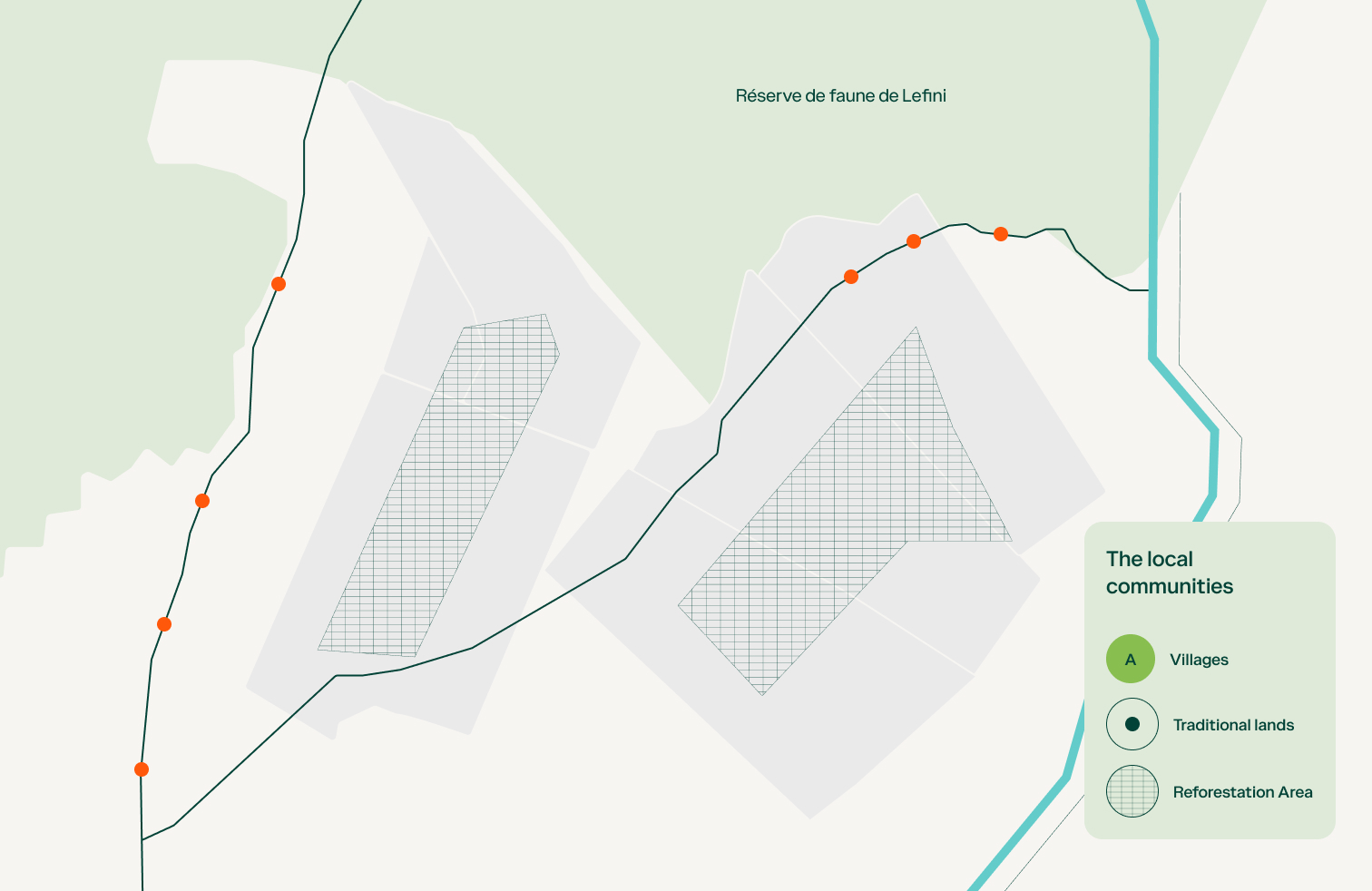
Reforestation Area
Villages

The Inoni Plateau

Mpoumako Village

Ngoulayo Village

Owe-Massina Village

Imvouba Village

Itaba Village

Odziba Village

Imbana Village

Mbé Village

Ngabé Village
Traditional lands

Imbama

Ossabi

Inkoui

Mpono

Ampoh

Boulou
Inspiring stories
Read about some inspiring stories from the fields of Mbé
Lorem ipsum
Sed ut perspiciatis unde omnis iste natus error sit voluptatem accusantium doloremque laudantium, totam rem aperiam eaque ipsa, quae ab illo inventore veritatis et quasi architecto beatae vitae dicta sunt, explicabo. Sed ut perspiciatis unde omnis iste natus error sit voluptatem accusantium doloremque.Inserire nome
Lorem ipsum
Sed ut perspiciatis unde omnis iste natus error sit voluptatem accusantium doloremque laudantium, totam rem aperiam eaque ipsa, quae ab illo inventore veritatis et quasi architecto beatae vitae dicta sunt, explicabo. Sed ut perspiciatis unde omnis iste natus error sit voluptatem accusantium doloremque.Inserire nome
Lorem ipsum
Sed ut perspiciatis unde omnis iste natus error sit voluptatem accusantium doloremque laudantium, totam rem aperiam eaque ipsa, quae ab illo inventore veritatis et quasi architecto beatae vitae dicta sunt, explicabo. Sed ut perspiciatis unde omnis iste natus error sit voluptatem accusantium doloremque.Inserire nome
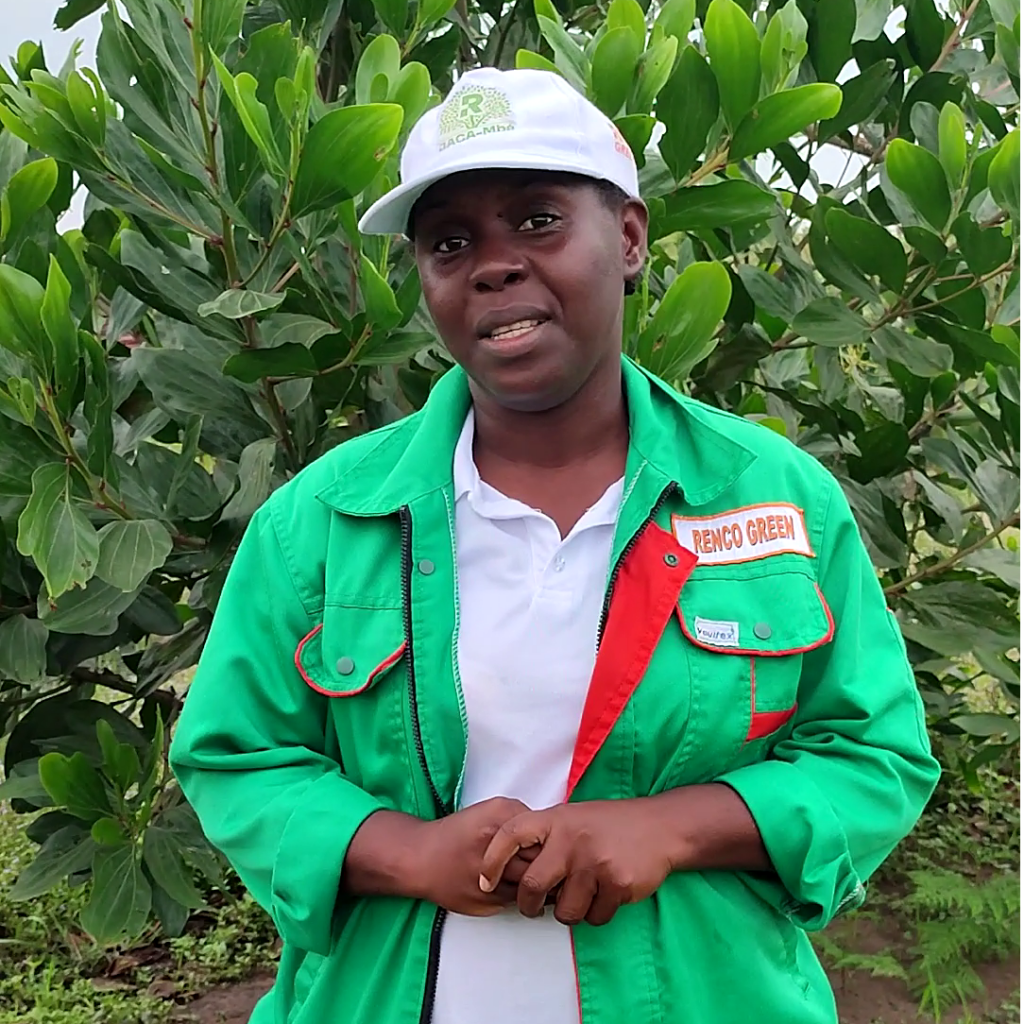
“I have a great desire to be part of a team of people who are fighting to protect the environment.”
Reine Moundanga
REINE MOUNDANGA | Plantation Assistant
I have a great desire to be part of a team of people who are fighting to protect the environment.
“The Ja.Ca.Mbè Project has already generated employment and is preventing a rural exodus.”
Louis-Marie Ngoua
LOUIS-MARIE NGOUA | Operations Responsible
The Ja.Ca.Mbè Project has already generated employment and is preventing a rural exodus.
“We need to work in synergy with the local people, because this project counts more when the local population are involved.”
Philos Akoundamongo
PHILOS AKOUNDAMONGO | Chief of Social Engagement Team
We need to work in synergy with the local people, because this project counts more when the local population are involved.
“With passion and confidence, I face every challenge to restore forests and support local communities in Congo.”
Sandra Loutelamio
SANDRA LOUTELAMIO | Social Engagement Team
With passion and confidence, I face every challenge to restore forests and support local communities in Congo.
“We believe in rebirth through nature: every tree planted in Congo is a gesture of hope and change.”
Jacquie Loutonadio-Nakoutelamio
JACQUIE LOUTONADIO-NAKOUTELAMIO | Social Engagement Team
We believe in rebirth through nature: every tree planted in Congo is a gesture of hope and change.
REINE MOUNDANGA | Plantation Assistant
I have a great desire to be part of a team of people who are fighting to protect the environment.
Louis-Marie Ngoua | Operations Responsible
The Ja.Ca.Mbè Project has already generated employment and is preventing a rural exodus.
Philos Akoundamongo | Social Engagement Chief
We need to work in synergy with the local people, because this project counts more when the local population are involved.
Sandra Loutelamio | Social Engagement Team
With passion and confidence, I face every challenge to restore forests and support local communities in Congo.
Jacquie Loutonadio-Nakoutelamio | Social Engagement Team
We believe in rebirth through nature: every tree planted in Congo is a gesture of hope and change.

NOME
Lorem ipsum
Sed ut perspiciatis unde omnis iste natus error sit voluptatem accusantium doloremque laudantium, totam rem aperiam eaque ipsa, quae ab illo inventore veritatis et quasi architecto beatae vitae dicta sunt, explicabo. Sed ut perspiciatis unde omnis iste natus error sit voluptatem accusantium doloremque.
NOME
Lorem ipsum
Sed ut perspiciatis unde omnis iste natus error sit voluptatem accusantium doloremque laudantium, totam rem aperiam eaque ipsa, quae ab illo inventore veritatis et quasi architecto beatae vitae dicta sunt, explicabo. Sed ut perspiciatis unde omnis iste natus error sit voluptatem accusantium doloremque.
NOME
Lorem ipsum
Sed ut perspiciatis unde omnis iste natus error sit voluptatem accusantium doloremque laudantium, totam rem aperiam eaque ipsa, quae ab illo inventore veritatis et quasi architecto beatae vitae dicta sunt, explicabo. Sed ut perspiciatis unde omnis iste natus error sit voluptatem accusantium doloremque.